
The XVII century developed achievements of Renascence in Europe and produced excellent examples of portraits in easel painting and small plastic art. The level of coin production increases in quality essentially and artists up to famous sculptures were involved in making portraits. Portraits of monarchs on coins became a lovely phenomenon of the epoch. Though one thing is to struck a large coin, where vast area helps to create many tiny details of face impression. Another strategy was used to make a portrait on a small coin, where details just due to size became more schematic. Charles Eugene of Wuerttemberg (1737-1793) was well known for his ability to impress Europe. His first portrait on coin dated 1744, when he had to be 16, but the portrait is imaginary, for it did not represent a youth (it was common practice those days). During his grand-tour in Europe he visited Rome and ordered a portrait

written by Pompeo Batoni. As it was already mentioned Charles impressed Europe and ordered the best possible portrait those days. Just few years later he conducted money reform introducing in circulation coins with new this time real portrait. The first real portrait on coins appeared in 1758 on different denominations. For example
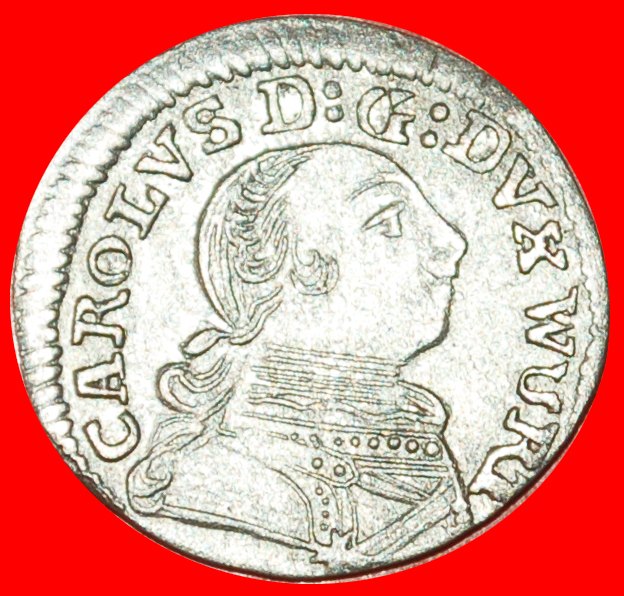
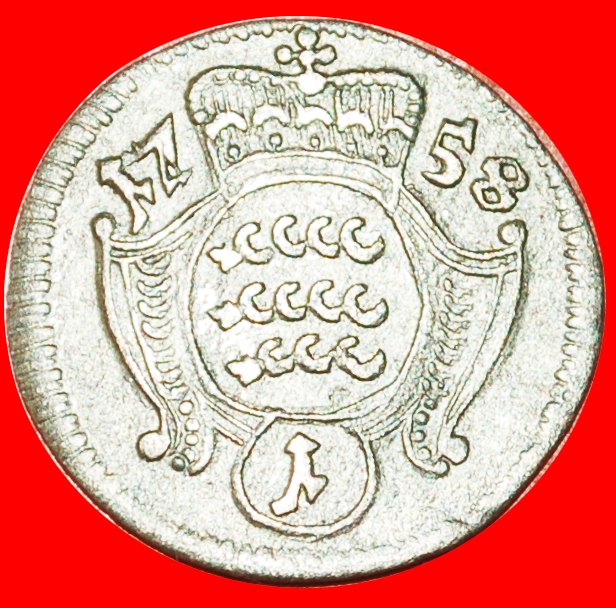
(Source: https://www.muenzauktion.info/auction/item.php?id=2972552 )
on the smallest denomination though represents the portrait more schematic still shows the strength of young ages. For comparison here is a detail of the Batoni's work:
